AC & Heating Repair in Fort Worth, Texas
AC or heater broken? Call now. Licensed techs available 24/7.
(855) 321-3346Is this your situation?
- AC running but blowing warm air
- Furnace won't turn on
- Strange smells or noises from the unit
- System keeps shutting off
Is Your HVAC Dying in Fort Worth?
Spot these warning signs before your system shuts down completely.
- Inconsistent temperatures between rooms
- Excessive humidity despite AC running
- Strange odors when system operates
- Unusual noises from vents or indoor unit
- Visible dust or debris blowing from vents
- Thermostat readings don't match actual comfort
- Outdoor unit making grinding or squealing noises
- Ice forming on refrigerant lines or outdoor coil
- Rust or corrosion on outdoor unit
- Refrigerant leaks (oily residue around connections)
- Unit running constantly without cycling off
- Visible damage from hail or storm debris
Replace vs. Repair: The 25% Rule
If your system is over 10 years old and repair costs exceed 50% of replacement cost, replacement is typically more economical. Also consider replacement if you're facing major component failures like compressor or evaporator coil issues, or if your system uses R-22 refrigerant which is being phased out.
Why HVAC Systems Break Down in Fort Worth
Fort Worth's weather is hard on HVAC systems. Know the local risks so you can spot problems early.

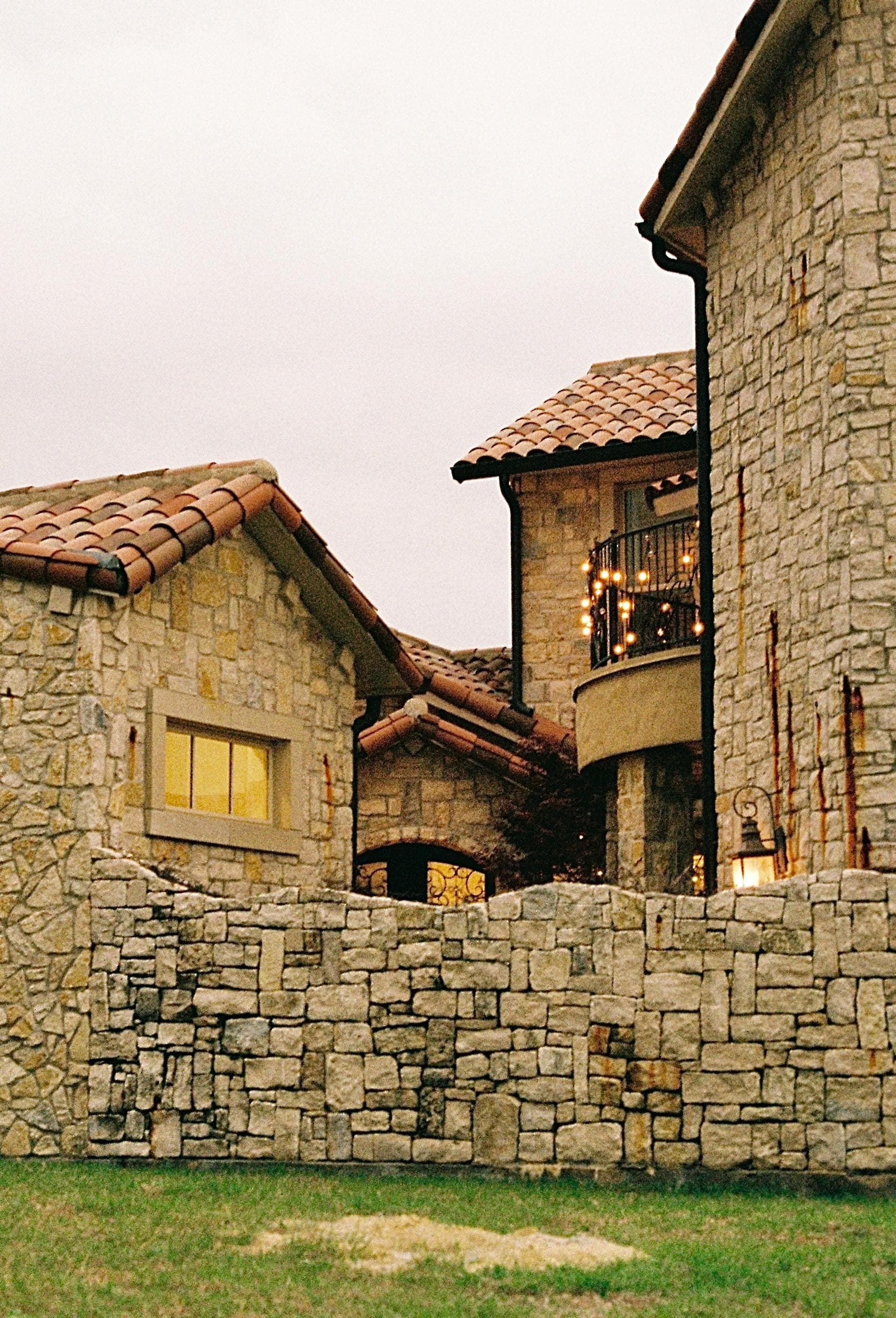
Photo by aboodi vesakaran on Pexels
Extreme summer heat with 58+ days above 95°F annually
2,756 cooling degree days (2.3x national average)
HVAC systems run 2,200+ hours per year vs 1,000-1,400 nationally
Recommended Months
Avoid if Possible
- SEER2 16+ recommended for Fort Worth's extended cooling season
- Variable-speed systems reduce humidity and save 20-40% on energy
- Proper insulation critical for efficiency in extreme heat
- Smart thermostats eligible for Oncor rebates and help manage peak demand
This extended runtime takes a measurable toll on HVAC equipment. While the national average lifespan for a central air conditioning system is 15-20 years, Fort Worth systems typically last only 10-15 years due to the demanding conditions. Your AC unit accumulates approximately 2,200 operating hours per year compared to just 1,000-1,400 hours in more moderate climates. This accelerated wear affects compressors, motors, and electrical components alike.
Humidity adds another layer of complexity to Fort Worth HVAC performance. During spring and fall, relative humidity levels often reach 55-70%, requiring your system to work harder on dehumidification. This latent cooling load means more energy goes toward moisture removal rather than temperature reduction. An oversized system that short-cycles cannot adequately remove humidity, leaving homes feeling clammy even at comfortable temperature settings.
Winter brings its own considerations for Fort Worth homeowners. While most winter days are mild enough for heat pumps to operate efficiently, the region occasionally experiences Arctic cold fronts that push temperatures well below freezing. The February 2021 winter storm demonstrated the importance of reliable heating backup. This climate variability makes dual fuel systems, which combine heat pump efficiency with gas furnace reliability, an increasingly popular choice for Fort Worth homes seeking year-round comfort without compromise.
How Fort Worth's Climate Affects Materials
central A C
Works hard in Texas heat, expect 25-33% shorter lifespan than national average
heat Pump
Excellent for 90% of Fort Worth weather, may need backup for rare extreme cold
dual Fuel
Ideal for Fort Worth's variable climate, switches between electric and gas as needed
ductwork
Should be inspected regularly; degrades 15-20% faster in Texas heat
HVAC Emergencies in Fort Worth: What to Know
Common HVAC breakdowns in Fort Worth and what causes them by neighborhood
Single-family homes with central HVAC, mix of older homes in historic districts and newer construction in suburbs
High efficiency critical due to 7-month cooling season; Oncor rebates incentivize SEER2 16+ systems
Occasional hail and severe thunderstorms can damage outdoor units; consider hail guards
- AC units working overtime in extreme summer heat
- Ductwork degradation from attic heat exposure
- Humidity control problems in spring and fall
- ERCOT rolling blackouts during peak demand periods
- Older homes with inadequate insulation
- Heat pump efficiency concerns during rare winter cold snaps
Neighborhood Risk Factors
Verified HVAC technicians
Licensed emergency technicians in Fort Worth, Texas. On call 24/7 for AC and heating breakdowns.
R10 Heat and Air
Offers VIP membership program
Comfort Experts
4.8 · 6073 reviews
Williamson's AC Contracting
4.8
One Hour Heating & Air Conditioning of Fort Worth
4.7
Willard AC & Plumbing
4.7
Texas Total Comfort Systems
4.6
Need a Repair Now?
Call a licensed HVAC emergency technician in Fort Worth. 24/7 emergency service.
(855) 321-3346 — Emergency ServiceYour Home Temperature Risk
When your HVAC fails in Fort Worth, indoor temperatures can reach dangerous levels
In Fort Worth's heat, a broken AC can push indoor temperatures past 100°F within hours. Heat stroke risk increases significantly — especially for children and elderly residents.
(855) 321-3346 — Get Emergency HelpHVAC Repair Rules in Fort Worth
License and permit rules for emergency HVAC repair in your area.
Permit Required
Yes
Permit Type
Residential
Processing Time
Same day to 2 weeks depending on complexity
Issuing Authority
City of Fort Worth Development Services Department
- 1HVAC installation or replacement requires a mechanical permit
- 2Permits expire 180 days after issuance if work hasn't started
- 3Permits also expire 180 days after last inspection if work stops
- 4Inspections scheduled via portal or (817) 392-6370
Official Resources
Pro Tip: Most reputable contractors handle the permit process for you as part of the project. Verify this is included in your contract before signing.
Filing Insurance Claims in Fort Worth
How to file an insurance claim for HVAC damage or failure, step by step.
- Document damage with photos before any repairs
- Get multiple repair estimates for insurance adjuster
- Review policy for equipment breakdown coverage
- Hail damage to outdoor units may be covered under property policy
- Consider adding equipment breakdown endorsement if not included
- 1Document damage immediately with photos and video
- 2Contact insurance company to file claim
- 3Get written estimates from licensed HVAC contractors
- 4Don't authorize repairs until adjuster approves or you understand your coverage
- 5Keep all receipts and documentation for reimbursement
Document Everything
Photos before & after
Call Within 48 Hours
Report damage promptly
Keep All Records
Save communications
Important: Many home insurance policies cover HVAC failure from storms, power surges, or lightning strikes.
Service-specific repair in Fort Worth
Frequently Asked Questions
Common questions about emergency HVAC repair in Fort Worth, Texas
Still have questions? Call our 24/7 emergency line.
Call (855) 321-3346More Cities in Texas
Emergency HVAC repair in nearby TX cities
Still reading?
Every minute the system stays off makes things worse. Tap to be matched with a local tech on call.
(855) 321-3346