AC & Heating Repair in Scottsdale, Arizona
AC or heater broken? Call now. Licensed techs available 24/7.
(855) 321-3346Is this your situation?
- AC running but blowing warm air
- Furnace won't turn on
- Strange smells or noises from the unit
- System keeps shutting off
Is Your HVAC Dying in Scottsdale?
Spot these warning signs before your system shuts down completely.
- Uneven temperatures throughout the home
- Humidity problems despite AC running
- Excessive dust even with regular filter changes
- Strange odors from vents
- Thermostat unable to maintain set temperature
- Some rooms significantly hotter than others
- System is 10+ years old in Arizona climate
- Loud or unusual noises from outdoor unit
- Visible rust or corrosion on equipment
- Refrigerant leaks or ice buildup on lines
- Outdoor unit running constantly without cycling
- Rising energy bills despite no usage changes
Replace vs. Repair: The 25% Rule
If your system is over 10 years old and facing a major repair, or if you have had multiple repairs in the past year, replacement is typically more practical. Also consider replacement if your system's SEER rating is below 14 - newer 16+ SEER2 units will significantly reduce energy consumption.
Why HVAC Systems Break Down in Scottsdale
Scottsdale's weather is hard on HVAC systems. Know the local risks so you can spot problems early.
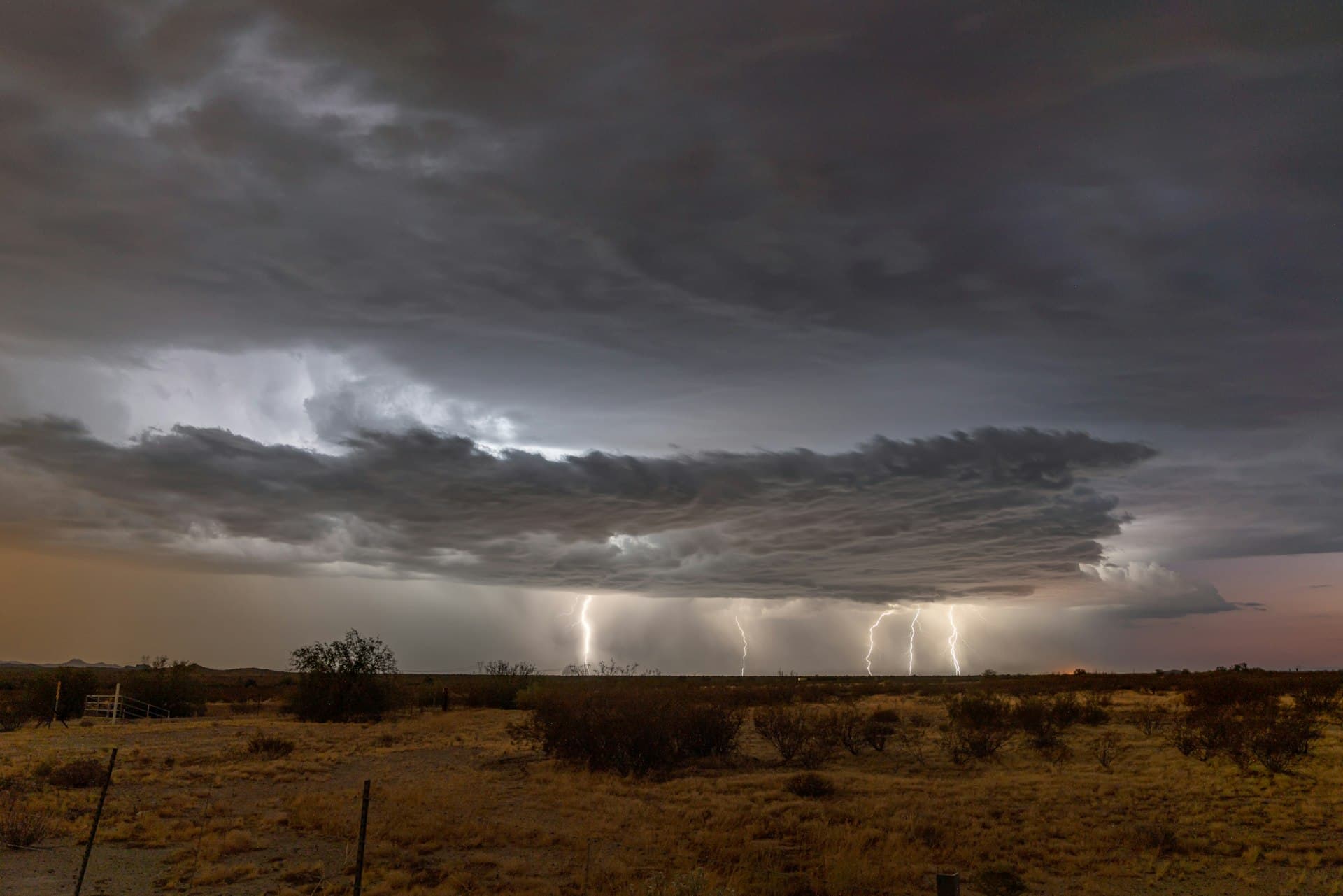
Photo by R Gray on Unsplash
Extreme summer heat with temperatures regularly exceeding 110 degrees F
HVAC systems run 6-8 months continuously during cooling season
Dry desert climate causes excessive dust accumulation in systems
Recommended Months
Avoid if Possible
- AC accounts for 40-50% of summer energy bills
- 16+ SEER2 units recommended for maximum efficiency
- Variable-speed systems provide significant annual savings
- Proper sizing prevents short-cycling and reduces wear
- Zone control reduces energy waste in large homes
- Smart thermostats can reduce cooling costs by 10-15%
The intense heat affects every component of an HVAC system. Compressors work overtime to expel heat from homes, leading to potential overheating and premature failure. Refrigerant levels drop faster under extreme conditions, and electrical components including wiring, capacitors, and contactors degrade more quickly from heat exposure. The desert's fine dust particles infiltrate outdoor units and clog condenser coils, reducing efficiency and forcing systems to work even harder.
Scottsdale experiences significant diurnal temperature swings, with nighttime temperatures dropping 30 to 40 degrees below daytime highs. This dramatic daily fluctuation causes thermal expansion and contraction that stresses refrigerant lines and connections. During monsoon season from July through September, sudden humidity spikes challenge systems designed for dry heat, while dust storms can coat outdoor equipment in minutes.
These climate factors mean HVAC systems in Scottsdale typically last 10 to 15 years rather than the 15 to 20 year national average. However, selecting appropriately rated equipment and maintaining rigorous service schedules can push systems toward the upper end of that lifespan. High-SEER rated units with variable-speed compressors handle the extended cooling demands more efficiently, while monthly filter changes during peak season prevent dust buildup from compromising performance. Understanding these local realities helps Scottsdale homeowners make informed decisions about their cooling investments.
How Scottsdale's Climate Affects Materials
Compressor
Extreme heat causes compressor overheating and potential failure
Refrigerant
High temperatures cause refrigerant levels to drop faster
Electrical components
Heat degrades wiring, belts, and electrical connections
Condenser coils
Desert dust clogs coils and reduces efficiency
Air filters
Require monthly replacement due to heavy dust
HVAC Emergencies in Scottsdale: What to Know
Common HVAC breakdowns in Scottsdale and what causes them by neighborhood
Central AC with gas furnace or heat pump, high-SEER systems for luxury homes
Variable-speed and multi-stage systems dominate due to 6-8 month cooling season
Monsoon season (July-September) brings dust storms that can clog outdoor units
- Compressor failure from extreme heat stress
- Refrigerant leaks from thermal expansion/contraction
- Clogged condenser coils from desert dust
- Capacitor and electrical component failures
- Ductwork leaks wasting cooled air in attics reaching 150 degrees F
- Thermostat calibration issues from heat
- Short-cycling from oversized or aging systems
Neighborhood Risk Factors
Verified HVAC technicians
Licensed emergency technicians in Scottsdale, Arizona. On call 24/7 for AC and heating breakdowns.
One Hour Air Conditioning & Heating of Scottsdale
Team AIR-zona
4.8
Reliance Heating and Air Conditioning
4.7
Aristotle Air Conditioning & Heating
4.7
AC by J
4.6
AirTime Cooling and Heating
4.6
+ 2 more HVAC technicians
More HVAC technicians in Scottsdale
Larson Air Conditioning
One of the highest-reviewed HVAC companies in Scottsdale area
Scottsdale Air Heating & Cooling
Serving the valley since 1947 - one of the oldest HVAC companies in Scottsdale
Need a Repair Now?
Call a licensed HVAC emergency technician in Scottsdale. 24/7 emergency service.
(855) 321-3346 — Emergency ServiceYour Home Temperature Risk
When your HVAC fails in Scottsdale, indoor temperatures can reach dangerous levels
In Scottsdale's heat, a broken AC can push indoor temperatures past 100°F within hours. Heat stroke risk increases significantly — especially for children and elderly residents.
(855) 321-3346 — Get Emergency HelpHVAC Repair Rules in Scottsdale
License and permit rules for emergency HVAC repair in your area.
Permit Required
Yes
Permit Type
Residential
Processing Time
Varies - plan review required for most installations
Issuing Authority
City of Scottsdale Planning & Development
- 1Mechanical permit required for HVAC installation, alteration, or repair
- 2Permit applications abandoned if no action taken for 180 days
- 3One-time 180-day extension available with written request
- 4Must use licensed Arizona HVAC contractor
- 5Inspections required at key stages of installation
- 6Submit applications via Scottsdale eServices portal online
Official Resources
Pro Tip: Most reputable contractors handle the permit process for you as part of the project. Verify this is included in your contract before signing.
Filing Insurance Claims in Scottsdale
How to file an insurance claim for HVAC damage or failure, step by step.
- Document equipment damage with photos before any repairs
- Keep all receipts for emergency repairs
- Standard homeowner policies may cover lightning strikes or power surge damage
- HVAC mechanical failure is typically NOT covered by homeowner insurance
- Consider home warranty for mechanical breakdown coverage
Document Everything
Photos before & after
Call Within 48 Hours
Report damage promptly
Keep All Records
Save communications
Important: Many home insurance policies cover HVAC failure from storms, power surges, or lightning strikes.
Frequently Asked Questions
Common questions about emergency HVAC repair in Scottsdale, Arizona
Still have questions? Call our 24/7 emergency line.
Call (855) 321-3346More Cities in Arizona
Emergency HVAC repair in nearby AZ cities
Still reading?
Every minute the system stays off makes things worse. Tap to be matched with a local tech on call.
(855) 321-3346