AC & Heating Repair in Bellevue, Washington
AC or heater broken? Call now. Licensed techs available 24/7.
(855) 321-3346Is this your situation?
- AC running but blowing warm air
- Furnace won't turn on
- Strange smells or noises from the unit
- System keeps shutting off
Is Your HVAC Dying in Bellevue?
Spot these warning signs before your system shuts down completely.
- Uneven heating or cooling throughout the house
- Energy bills keep rising despite maintenance
- Humidity issues - too dry or too damp indoors
- Unusual smells from vents
- Excessive dust even after filter changes
- Thermostat constantly needs adjustment
- System is 12-20 years old
- Frequent breakdowns or costly repairs
- Loud, unusual noises from equipment
- Visible rust or corrosion on outdoor unit
- Refrigerant leaks
- Short cycling - system turns on/off frequently
Replace vs. Repair: The 25% Rule
If repair needs are frequent and your current system is over 10 years old, replacement is usually the smarter investment. Also consider replacing if system uses R-22 refrigerant (phased out) or doesn't meet current efficiency standards.
Why HVAC Systems Break Down in Bellevue
Bellevue's weather is hard on HVAC systems. Know the local risks so you can spot problems early.

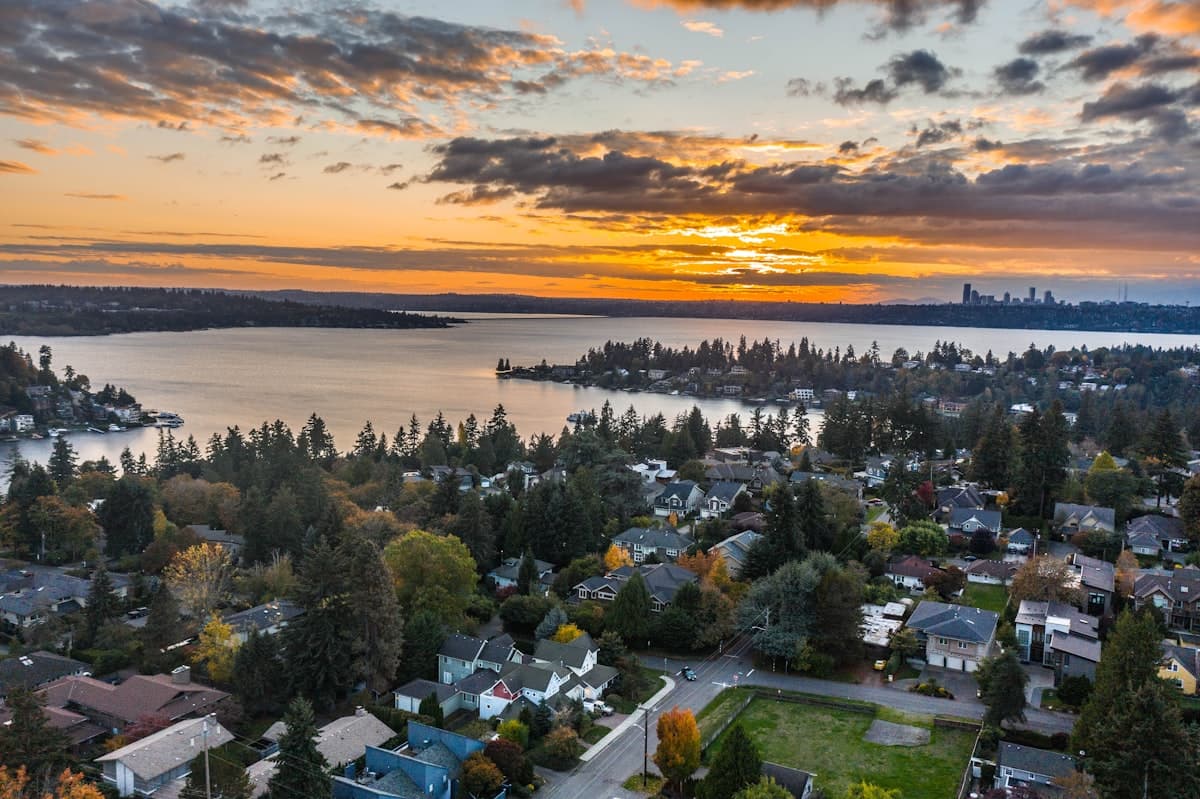
Photo by Zoshua Colah on Unsplash
Temperate maritime climate with mild, wet winters and warm, dry summers
High humidity during rainy season makes homes feel colder even at moderate temperatures
Lake Washington's influence creates microclimates varying across neighborhoods
Recommended Months
Avoid if Possible
- PSE (Puget Sound Energy) offers substantial rebates for heat pump conversions
- High-efficiency systems with SEER2 18+ provide significant energy bill savings
- Variable-speed technology adjusts output to match mild temperature swings
- Zoning systems reduce waste by conditioning only occupied rooms
- Smart thermostats learn patterns and optimize for PNW weather variations
The city's geography creates notable microclimates across different neighborhoods. Properties near Lake Washington experience higher humidity levels, requiring enhanced dehumidification capabilities to maintain comfortable indoor conditions. Meanwhile, elevated areas like Somerset and Cougar Mountain face cooler temperatures and stronger wind exposure, demanding more robust heating systems. Downtown Bellevue's high-rise buildings present entirely different ventilation and cooling challenges compared to the single-family homes that dominate residential neighborhoods.
The rainy season from October through May brings persistent moisture that makes homes feel colder even at moderate temperatures. This dampness can stress HVAC systems and emphasizes the importance of proper humidity control. Modern variable-speed systems excel in Bellevue's climate by adjusting output incrementally rather than cycling between full-on and full-off, maintaining consistent comfort while consuming less energy. The mild shoulder seasons in spring and fall allow economizer controls to use outdoor air for free cooling, significantly reducing mechanical cooling requirements. For Bellevue homeowners, understanding these local climate factors is essential for selecting HVAC equipment that delivers year-round comfort while maximizing energy efficiency.
How Bellevue's Climate Affects Materials
heat Pumps
Ideal for PNW mild winters - rarely drops below freezing, excellent year-round efficiency
dual Fuel
Optimal choice combining heat pump efficiency with gas backup for coldest days
ductless
Popular for older homes without ductwork, handles humidity well
central A C
Increasingly necessary for summer heat waves, though historically optional
HVAC Emergencies in Bellevue: What to Know
Common HVAC breakdowns in Bellevue and what causes them by neighborhood
Mix of modern tech-industry homes with smart home integration, established neighborhoods with older homes often lacking ductwork, and luxury waterfront properties requiring specialized climate control
High emphasis on energy efficiency due to environmentally-conscious population, PSE rebate programs, and Washington's Clean Buildings Performance Standard. Heat pumps increasingly standard for new construction.
Power outages during winter storms make backup heating and generator integration popular. Dual-fuel systems provide resilience.
- Older homes in established neighborhoods lack ductwork - ductless systems solve this
- Lake-adjacent properties experience higher humidity requiring enhanced dehumidification
- Elevated areas like Somerset and Cougar Mountain need robust heating for cooler temps
- Downtown high-rises require specialized commercial HVAC approaches
- Tech-savvy residents demand smart thermostat and home automation integration
- Increasing summer heat makes AC essential where historically it was optional
Neighborhood Risk Factors
Verified HVAC technicians
Licensed emergency technicians in Bellevue, Washington. On call 24/7 for AC and heating breakdowns.
Evergreen Eastside Heat & AC
Union trained HVAC personnel, purchased Eastside Heating and Air Conditioning of Bellevue in 2018
CM Heating (CM Air Pros LLC)
4.9 · 4613 reviews
WSB HVAC
4.9 · 150 reviews
All Climate Heating & Air Conditioning
4.8 · 450 reviews
BelRed Heating & Cooling
4.8 · 2941 reviews
TemperaturePro Kirkland
4.7 · 200 reviews
+ 2 more HVAC technicians
More HVAC technicians in Bellevue
Bob's Heating & Air Conditioning
Woodinville-based, serves Bellevue area, specializes in 2025 code compliance installations
Home Comfort Alliance (G&S Heating)
Located in Redmond, one of two major Costco dealers in area, 0 BBB complaints in 3 years
Need a Repair Now?
Call a licensed HVAC emergency technician in Bellevue. 24/7 emergency service.
(855) 321-3346 — Emergency ServiceYour Home Temperature Risk
When your HVAC fails in Bellevue, indoor temperatures can reach dangerous levels
In Bellevue's heat, a broken AC can push indoor temperatures past 100°F within hours. Heat stroke risk increases significantly — especially for children and elderly residents.
(855) 321-3346 — Get Emergency HelpHVAC Repair Rules in Bellevue
License and permit rules for emergency HVAC repair in your area.
Permit Required
Yes
Permit Type
Residential
Processing Time
Same day for permits not requiring plan review; plan review adds 1-2 weeks
Issuing Authority
City of Bellevue Development Services
- 1Mechanical permit required for replacing HVAC equipment including furnaces, heat pumps, and AC units
- 2All new equipment must meet current energy codes
- 3Projects requiring plan review include non-residential buildings and multifamily (3+ units)
- 4Townhomes designed under IRC do not require plan review
- 5Site plans required if work involves exterior intake/exhaust distances from property lines
- 6Buildings with smoke control systems require verification of HVAC impact
- 7Apply online at MyBuildingPermit.com
- 8Washington state requires minimum SEER2 rating of 14 for AC systems in 2025
Official Resources
Pro Tip: Most reputable contractors handle the permit process for you as part of the project. Verify this is included in your contract before signing.
Filing Insurance Claims in Bellevue
How to file an insurance claim for HVAC damage or failure, step by step.
- Document equipment damage with photos before any repairs
- Keep records of system age, maintenance history, and original installation
- Review homeowner's policy for HVAC coverage limits and deductibles
- Some policies cover emergency temporary heating/cooling expenses
- Power surge damage may be covered - check with insurer
Document Everything
Photos before & after
Call Within 48 Hours
Report damage promptly
Keep All Records
Save communications
Important: Many home insurance policies cover HVAC failure from storms, power surges, or lightning strikes.
Frequently Asked Questions
Common questions about emergency HVAC repair in Bellevue, Washington
Still have questions? Call our 24/7 emergency line.
Call (855) 321-3346More Cities in Washington
Emergency HVAC repair in nearby WA cities
Still reading?
Every minute the system stays off makes things worse. Tap to be matched with a local tech on call.
(855) 321-3346