AC & Heating Repair in Seattle, Washington
AC or heater broken? Call now. Licensed techs available 24/7.
(855) 321-3346Is this your situation?
- AC running but blowing warm air
- Furnace won't turn on
- Strange smells or noises from the unit
- System keeps shutting off
Is Your HVAC Dying in Seattle?
Spot these warning signs before your system shuts down completely.
- Uneven temperatures between rooms
- Excessive humidity or condensation on windows
- Strange odors when system runs
- Poor air quality or increased dust
- Rising energy bills despite normal usage
- System runs constantly without reaching set temperature
- Unusual noises from outdoor unit (grinding, squealing, banging)
- Ice buildup on heat pump in winter
- Visible rust or corrosion on equipment
- Refrigerant leaks around outdoor unit
- Outdoor unit fan not spinning properly
Replace vs. Repair: The 25% Rule
If your system is over 15 years old or repair frequency is increasing, replacement is typically more practical. For oil systems, conversion to heat pump is strongly recommended given available rebates and the city's 2030 oil phase-out goal.
Why HVAC Systems Break Down in Seattle
Seattle's weather is hard on HVAC systems. Know the local risks so you can spot problems early.
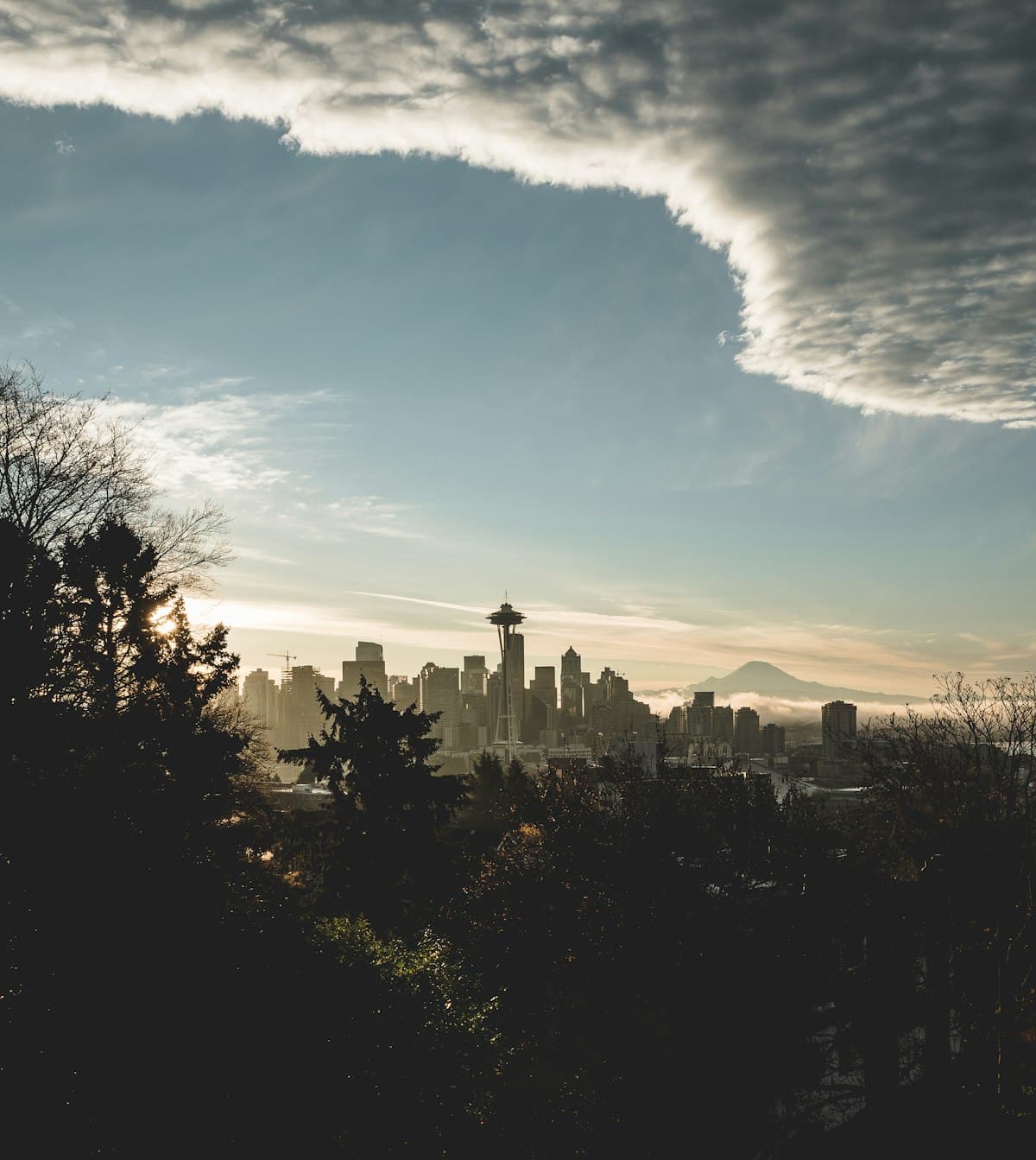
Photo by Alex Gorey on Unsplash
Mild but damp winters requiring consistent heating (November-March)
Cool, rainy weather for 8+ months creating humidity control needs
Occasional heat domes and increasingly warm summers (June-September)
Recommended Months
Avoid if Possible
- Heat pumps deliver 3x the energy they consume
- Ductless systems avoid 25-30% heat loss from ductwork
- Seattle's mild climate allows heat pumps to operate at peak efficiency
- City pushing electrification - oil phase-out by 2030
- PSE and Seattle City Light offer substantial rebates for efficient systems
The rainy season dominates eight or more months of the year, creating significant indoor humidity that requires proper ventilation and climate control. This persistent moisture can lead to condensation on windows, musty odors, and even mold growth if HVAC systems cannot adequately manage humidity levels. Modern heat pumps and ductless mini-splits excel at dehumidification while heating, making them ideal for Seattle's damp conditions.
Perhaps most significantly, Seattle's summers have changed dramatically in recent years. The infamous 2021 heat dome that sent temperatures soaring above 100 degrees Fahrenheit shocked residents accustomed to mild summers. These extreme heat events are becoming more frequent, transforming air conditioning from a luxury to a necessity for Seattle homeowners. The combination of increasing summer heat and long heating seasons makes dual-function heat pump systems the clear winner for year-round comfort.
For HVAC planning purposes, spring and fall offer favorable installation windows. April, May, September, and October provide mild temperatures that allow contractors to work efficiently without emergency backlogs. Avoid scheduling installations during December and January when emergency heating calls surge, or July and August when cooling emergencies spike during heat events.
How Seattle's Climate Affects Materials
Heat Pumps
Ideal for Seattle - efficient in mild temperatures, handles both heating and cooling
Ductless Mini- Splits
Excellent for older homes without ductwork; handles humidity well
Gas Furnaces
Reliable for coldest days but higher operating costs than heat pumps
Central A C
Increasingly necessary due to heat dome events; can be paired with furnace
HVAC Emergencies in Seattle: What to Know
Common HVAC breakdowns in Seattle and what causes them by neighborhood
Older craftsman homes and mid-century ranches often lack ductwork, making ductless mini-splits popular
Strong city push for electrification and oil phase-out by 2030
Heat dome events increasing; AC becoming necessity rather than luxury
- Older homes without existing ductwork
- Oil heating systems needing conversion
- Humidity control during rainy season
- Insufficient cooling during summer heat events
- Aging furnaces in homes built 1950s-1980s
Neighborhood Risk Factors
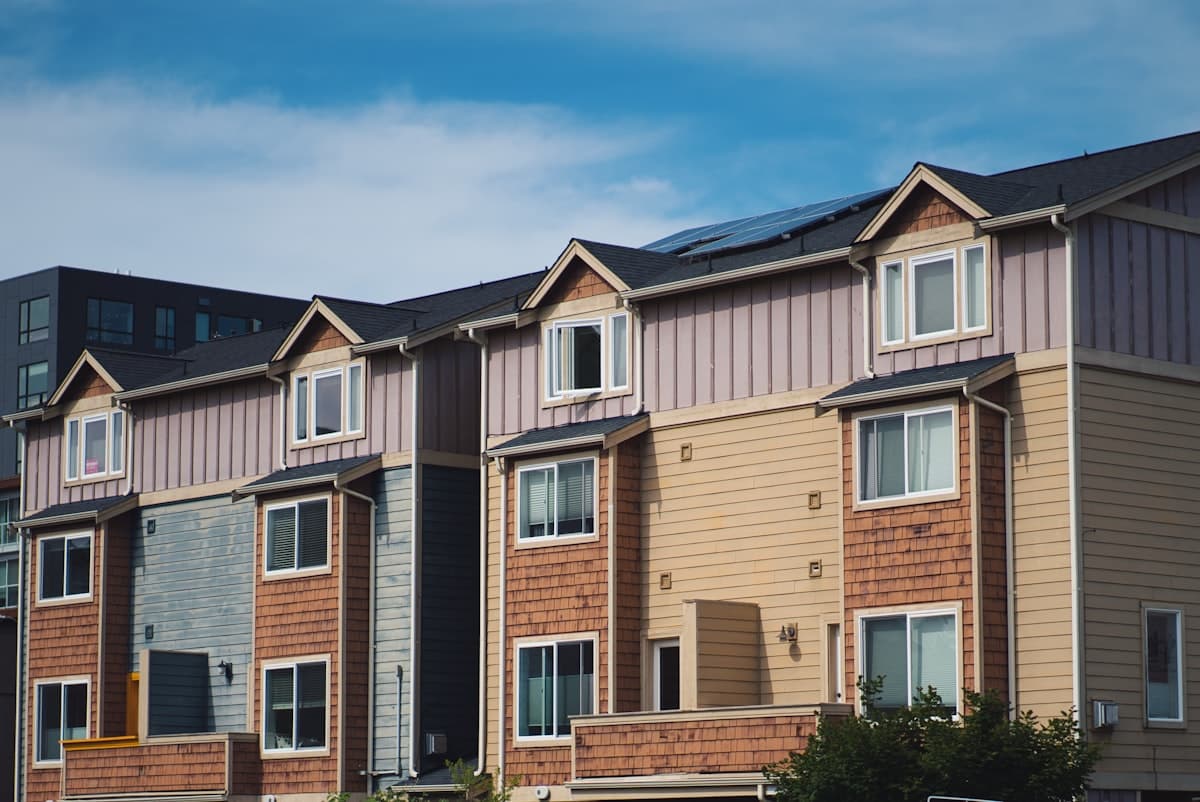
Verified HVAC technicians
Licensed emergency technicians in Seattle, Washington. On call 24/7 for AC and heating breakdowns.
CM Heating (CM Air Pros LLC)
Top Snohomish County PUD heat pump sales company. Sold to Air Pros USA in 2022.
Evergreen State Heat & AC
4.9 · 419 reviews
Seatown Electric
4.8 · 4672 reviews
BelRed Heating & Cooling
4.8 · 2941 reviews
Greenwood Heating & Home Services
4.7 · 1289 reviews
Brennan Heating
4.6 · 1834 reviews
+ 2 more HVAC technicians
More HVAC technicians in Seattle
Home Comfort Alliance
Founded 1977. Major Costco dealer. A+ BBB rating with 0 complaints.
Glendale Heating
Founded 1938. A+ BBB with no complaints. Originally coal & oil delivery.
Need a Repair Now?
Call a licensed HVAC emergency technician in Seattle. 24/7 emergency service.
(855) 321-3346 — Emergency ServiceYour Home Temperature Risk
When your HVAC fails in Seattle, indoor temperatures can reach dangerous levels
In Seattle's heat, a broken AC can push indoor temperatures past 100°F within hours. Heat stroke risk increases significantly — especially for children and elderly residents.
(855) 321-3346 — Get Emergency HelpHVAC Repair Rules in Seattle
License and permit rules for emergency HVAC repair in your area.
Permit Required
Yes
Permit Type
Residential
Processing Time
48 hours for simple permits, 2-4 weeks for complex projects
Issuing Authority
Seattle Department of Construction and Inspections (SDCI)
- 1Equipment permits (boiler, refrigeration) can be applied through Seattle Services Portal
- 2Subject-to-field-inspection permits issued within 48 hours
- 3Mechanical permits required for HVAC installation
- 4Electrical permits may be needed for system upgrades
- 5Your contractor should handle the permit process
Official Resources
Pro Tip: Most reputable contractors handle the permit process for you as part of the project. Verify this is included in your contract before signing.
Filing Insurance Claims in Seattle
How to file an insurance claim for HVAC damage or failure, step by step.
- Document system age and maintenance history
- Keep records of all service calls
- Review homeowner policy for HVAC coverage
- Some policies cover sudden failures but not wear and tear
Document Everything
Photos before & after
Call Within 48 Hours
Report damage promptly
Keep All Records
Save communications
Important: Many home insurance policies cover HVAC failure from storms, power surges, or lightning strikes.
Frequently Asked Questions
Common questions about emergency HVAC repair in Seattle, Washington
Still have questions? Call our 24/7 emergency line.
Call (855) 321-3346More Cities in Washington
Emergency HVAC repair in nearby WA cities
Still reading?
Every minute the system stays off makes things worse. Tap to be matched with a local tech on call.
(855) 321-3346