AC & Heating Repair in Jacksonville, Florida
AC or heater broken? Call now. Licensed techs available 24/7.
(855) 321-3346Is this your situation?
- AC running but blowing warm air
- Furnace won't turn on
- Strange smells or noises from the unit
- System keeps shutting off
Is Your HVAC Dying in Jacksonville?
Spot these warning signs before your system shuts down completely.
- Inconsistent temperatures between rooms despite running AC
- Excessive humidity indoors even when AC is running
- Musty or moldy odors from vents indicating poor dehumidification
- Rising energy bills without increased usage
- Frequent thermostat adjustments needed for comfort
- Visible rust or corrosion on outdoor unit (especially coastal homes)
- Unusual noises: grinding, squealing, or banging from condenser
- Ice forming on refrigerant lines
- Reduced airflow from vents
- Water pooling around indoor or outdoor units
Replace vs. Repair: The 25% Rule
Consider replacement if system is 10-15 years old, uses R-22 refrigerant, or has repeated expensive repairs. Also factor in whether repair frequency is increasing and if comfort levels have declined.
Why HVAC Systems Break Down in Jacksonville
Jacksonville's weather is hard on HVAC systems. Know the local risks so you can spot problems early.
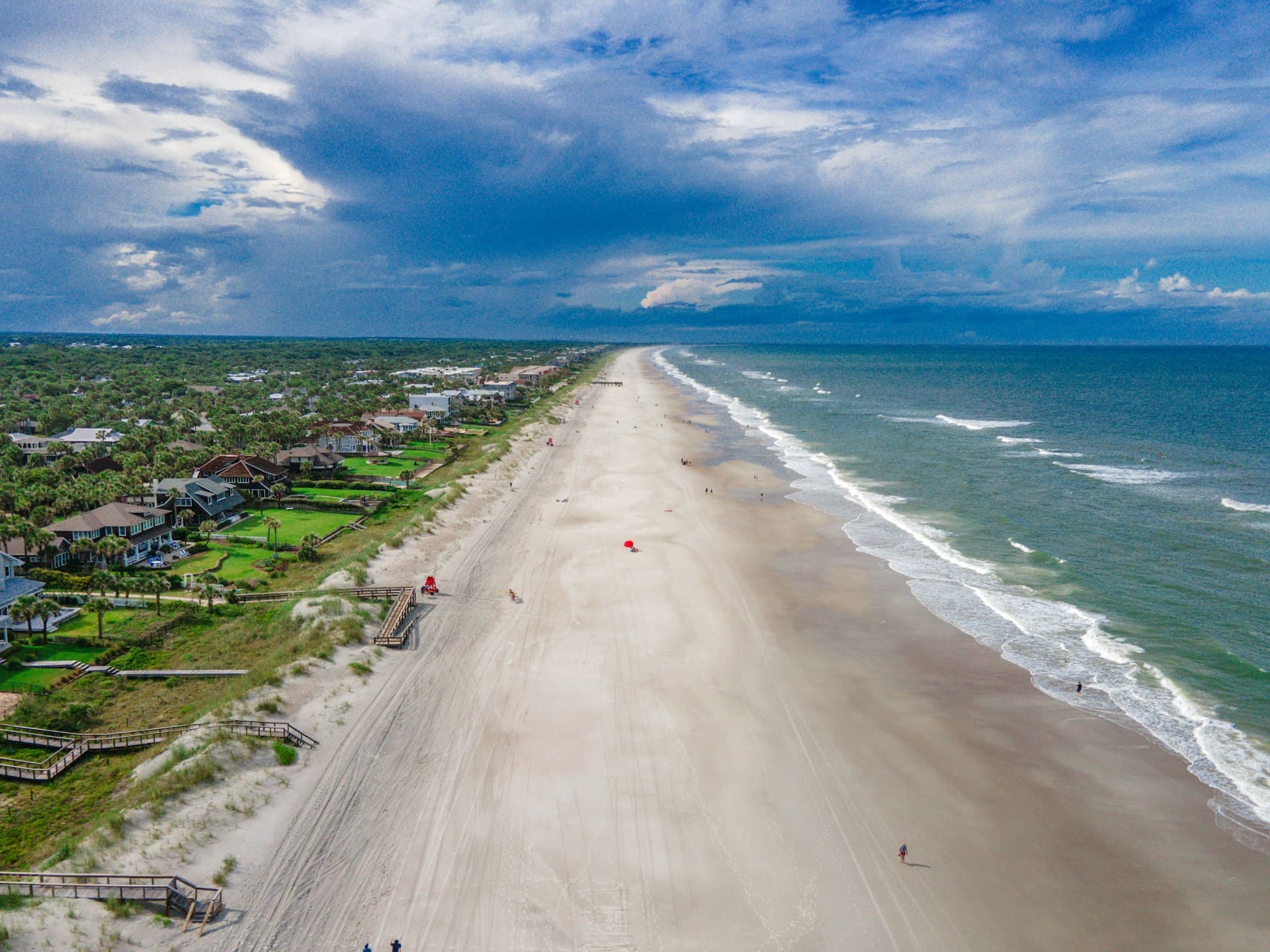
Photo by Zoshua Colah on Unsplash
Humid subtropical climate with 8+ months of cooling season
Summer temperatures regularly reach 92-93 degrees F from June through September
Nearly 70% humidity during hottest months, rising to 90% at times
Recommended Months
Avoid if Possible
- HVAC accounts for nearly 50% of home energy consumption in Jacksonville
- ENERGY STAR certified units use up to 8% less energy than traditional units
- JEA offers rebates on ENERGY STAR certified HVAC systems
- Smart thermostats can significantly reduce cooling demands when away
- High-SEER2 units (20+) can be up to 43% more efficient than minimum-rated units
The coastal location adds another layer of complexity. Salt-laden air from the Atlantic Ocean penetrates inland, causing accelerated corrosion on outdoor condenser units. Metal components, electrical connections, and coils deteriorate faster in Jacksonville than in inland Florida cities. Homes in Jacksonville Beach, Atlantic Beach, and Ponte Vedra face the highest corrosion risk and require corrosion-resistant units with protective coatings.
Hurricane season from June through November presents additional concerns. Tropical storms and hurricanes can damage outdoor equipment, cause extended power outages, and create flooding that affects HVAC components. Many Jacksonville homeowners have learned to prepare their systems before storms with surge protectors and hurricane straps, then schedule post-storm inspections to catch damage early.
The mild winters provide some relief, with temperatures occasionally dropping below 40 degrees Fahrenheit but rarely requiring extensive heating. This climate pattern makes heat pumps particularly attractive for Jacksonville homes, as they efficiently handle both the dominant cooling needs and occasional heating requirements. The nearly year-round humidity also demands systems with strong dehumidification capabilities to prevent mold growth and maintain indoor air quality.
How Jacksonville's Climate Affects Materials
Condenser Coils
Salt and humidity cause rapid corrosion; coastal homes need corrosion-resistant coatings
Ductwork
High humidity can cause condensation and mold; proper insulation and sealing essential
Electrical Components
Salt acts as conductor causing corrosion and short circuits in coastal areas
Refrigerant Lines
High pressure operation in extreme heat increases leak risk
HVAC Emergencies in Jacksonville: What to Know
Common HVAC breakdowns in Jacksonville and what causes them by neighborhood
Single-family homes with central AC; mix of older homes with original ductwork and newer construction with modern systems
JEA utility rebates drive adoption of ENERGY STAR certified high-efficiency systems; smart thermostats popular for energy savings
Hurricane preparedness essential; many homeowners add surge protectors and hurricane straps for outdoor units
- Coastal corrosion damage on condenser coils and electrical components
- Humidity-related mold in ductwork and air handlers
- Oversized or undersized units from improper load calculations
- Refrigerant leaks from high-pressure operation in extreme heat
- Clogged condensate drains from high humidity
Neighborhood Risk Factors
Verified HVAC technicians
Licensed emergency technicians in Jacksonville, Florida. On call 24/7 for AC and heating breakdowns.
Golden Comfort AC & Heating Repair
Highly rated local HVAC team known for fast response times in Riverside area
Standard Air
4.9 · 85 reviews
Tropic Aire
4.8 · 150 reviews
Lloyd's Heating And Air
4.8 · 75 reviews
Elite AC LLC
4.8 · 95 reviews
Ace Air Conditioning & Appliance
4.7 · 120 reviews
+ 2 more HVAC technicians
More HVAC technicians in Jacksonville
J&W Heating and Air + Plumbing
Specializes in protecting coastal Florida homes from salt air corrosion, offers combined HVAC and plumbing services
Comfort Zone of North Florida
Specializes in helping Jacksonville homeowners select right-sized AC systems for humid subtropical climate
Need a Repair Now?
Call a licensed HVAC emergency technician in Jacksonville. 24/7 emergency service.
(855) 321-3346 — Emergency ServiceYour Home Temperature Risk
When your HVAC fails in Jacksonville, indoor temperatures can reach dangerous levels
In Jacksonville's heat, a broken AC can push indoor temperatures past 100°F within hours. Heat stroke risk increases significantly — especially for children and elderly residents.
(855) 321-3346 — Get Emergency HelpHVAC Repair Rules in Jacksonville
License and permit rules for emergency HVAC repair in your area.
Permit Required
Yes
Permit Type
Residential
Processing Time
25-30 business days for first review; resubmissions reviewed in 10 business days or less
Issuing Authority
Jacksonville Building Inspection Division (BID)
- 1HVAC equipment installation requires mechanical permit
- 2Only licensed contractors can install new HVAC systems in Florida
- 3Permits are valid for 180 days; each passed inspection resets the clock
- 4Submit applications online through JaxEPICS portal
- 5Florida requires minimum 14.3 SEER2 for split AC systems under 45,000 BTU
Official Resources
Pro Tip: Most reputable contractors handle the permit process for you as part of the project. Verify this is included in your contract before signing.
Filing Insurance Claims in Jacksonville
How to file an insurance claim for HVAC damage or failure, step by step.
- Document all storm damage with photos and video
- Keep damaged parts until adjuster inspects
- Get multiple repair/replacement estimates
- Review policy for HVAC coverage limits and deductibles
- 1Turn off HVAC system immediately after storm damage
- 2Document damage before cleanup
- 3Contact insurance company to file claim
- 4Get professional inspection before attempting to restart
- 5Keep all receipts for temporary repairs
Document Everything
Photos before & after
Call Within 48 Hours
Report damage promptly
Keep All Records
Save communications
Important: Many home insurance policies cover HVAC failure from storms, power surges, or lightning strikes.
Frequently Asked Questions
Common questions about emergency HVAC repair in Jacksonville, Florida
Still have questions? Call our 24/7 emergency line.
Call (855) 321-3346More Cities in Florida
Emergency HVAC repair in nearby FL cities
Still reading?
Every minute the system stays off makes things worse. Tap to be matched with a local tech on call.
(855) 321-3346