AC & Heating Repair in Tampa, Florida
AC or heater broken? Call now. Licensed techs available 24/7.
(855) 321-3346Is this your situation?
- AC running but blowing warm air
- Furnace won't turn on
- Strange smells or noises from the unit
- System keeps shutting off
Is Your HVAC Dying in Tampa?
Spot these warning signs before your system shuts down completely.
- Uneven cooling or hot spots in some rooms
- Humidity feels high despite AC running
- Musty or moldy smell from vents
- Increased dust or poor air quality
- Rising energy bills without usage change
- Thermostat not maintaining set temperature
- Unusual noises from outdoor unit
- Ice forming on refrigerant lines
- Unit running constantly without cycling
- Visible rust or corrosion on outdoor unit
- Refrigerant leaks or oily residue
- Frequent cycling on and off (short-cycling)
Replace vs. Repair: The 25% Rule
Consider replacement if the system is over 10 years old, uses R-22 refrigerant (phased out), or requires frequent repairs. Evaluate the total investment in repairs versus the benefits of a new, efficient system.
Why HVAC Systems Break Down in Tampa
Tampa's weather is hard on HVAC systems. Know the local risks so you can spot problems early.

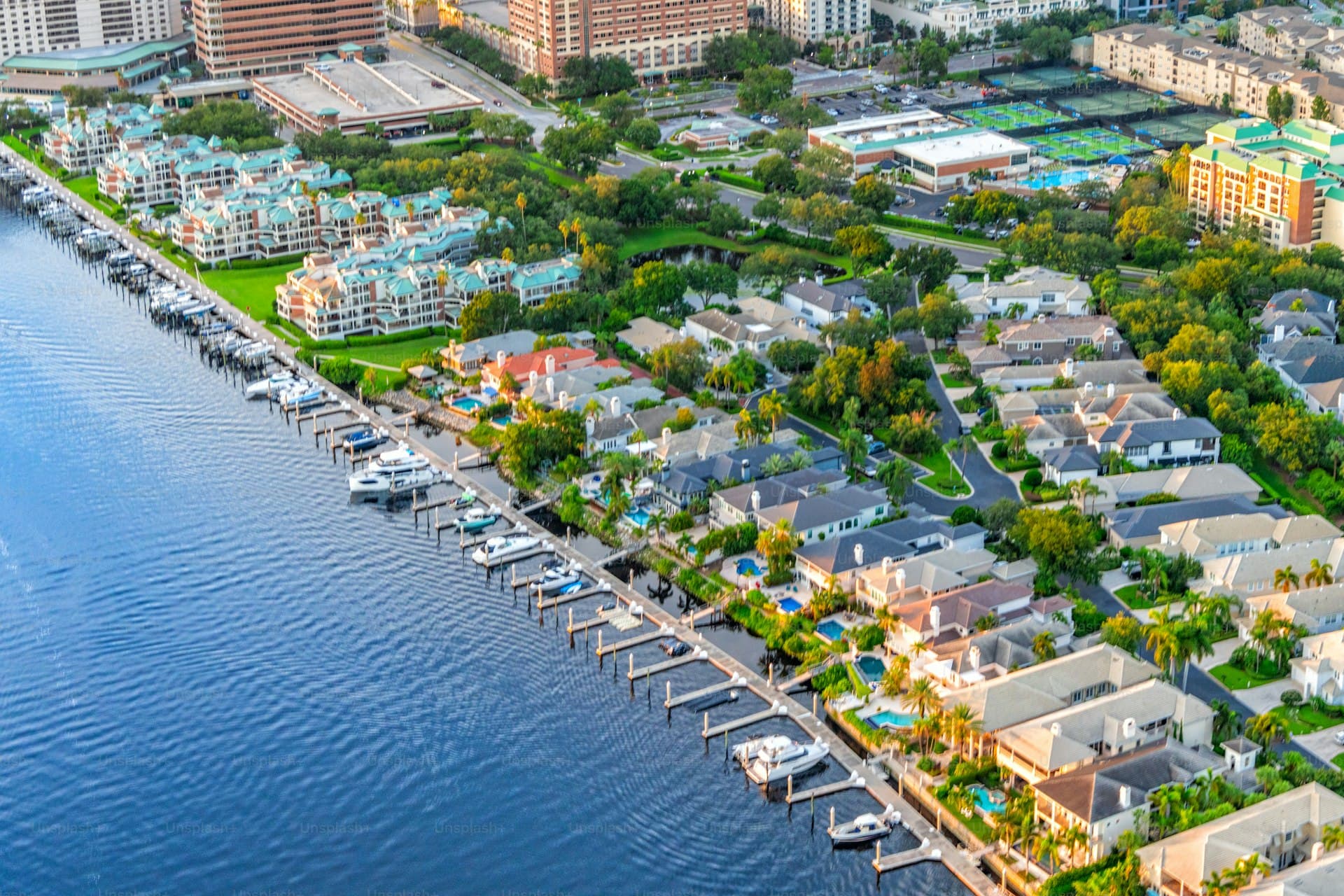
Photo by Forrest Moreland on Unsplash
Year-round humidity averaging 70-80% forces AC systems to work overtime
Hot summers with temperatures often exceeding 90°F for months
10+ month cooling season with AC running nearly year-round
Recommended Months
Avoid if Possible
- Florida minimum SEER requirement is 15 (SEER2 14.3)
- TECO rebates available for 16+ SEER systems
- Recommended thermostat setting: 78°F when home in summer
- Energy Star estimates 20% savings with high-efficiency systems
- Variable-speed systems save energy by adjusting to demand
The relentless humidity does more than make things feel sticky - it forces your HVAC system to perform double duty. Your air conditioner must not only lower the temperature but also extract moisture from the air to achieve true comfort. This constant demand accelerates wear on system components and makes proper sizing absolutely critical. An oversized unit will cool quickly but fail to run long enough to adequately dehumidify, leaving your home feeling clammy despite a lower thermostat reading.
Tampa's proximity to the Gulf of Mexico adds another consideration: salt air. Homes within a few miles of the coast experience accelerated corrosion on outdoor HVAC components. Units in these areas benefit from corrosion-resistant coatings and more frequent maintenance to prevent premature failure. Hurricane season from June through November also impacts HVAC planning, as power outages and potential storm damage make reliable equipment and emergency service relationships essential.
Winter in Tampa is mild, with average temperatures around 64 degrees, meaning heating needs are minimal but not nonexistent. This makes heat pumps an ideal choice for the region since they efficiently handle both cooling and occasional heating. The consistent ground temperatures in Florida also make geothermal systems viable, though their higher upfront investment and limited installer availability keep them less common than conventional options.
How Tampa's Climate Affects Materials
standard A C
Must handle continuous operation; humidity control critical
heat Pump
Ideal choice - provides both cooling and minimal heating needs
ductless Mini Split
Excellent humidity control with zoned cooling capability
geothermal
Limited availability but extremely efficient in Florida's stable ground temperatures
HVAC Emergencies in Tampa: What to Know
Common HVAC breakdowns in Tampa and what causes them by neighborhood
Single-family homes with central AC, typically 2,000-2,500 sq ft requiring 3-5 ton systems
High-efficiency systems critical due to 10+ month cooling season; TECO rebates incentivize 16+ SEER upgrades
Hurricane season (June-November) makes surge protection and emergency service relationships important; consider whole-house generators
- Mold growth in ducts due to high humidity
- Refrigerant leaks from continuous operation
- Condensate drain clogs from algae growth
- Corrosion on coastal area units from salt air
- Inadequate dehumidification despite cooling
- Ductwork leaks in attic spaces losing cooled air
Neighborhood Risk Factors
Verified HVAC technicians
Licensed emergency technicians in Tampa, Florida. On call 24/7 for AC and heating breakdowns.
ExcelsiAir AC and Heat
Forbes Home rating 4.8, 1.4 hour response time
Guardian Heating & Air Inc
5 · 48 reviews
Viking Air Services, LLC
4.9 · 232 reviews
OEL Heating and Cooling, LLC
4.9 · 169 reviews
Northside Services
4.9 · 155 reviews
Fairway Heating & Cooling LLC
4.7 · 376 reviews
+ 2 more HVAC technicians
More HVAC technicians in Tampa
Rolando's HVAC
Licensed contractor serving Town 'n' Country, Carrollwood and greater Tampa Bay
Caldeco Air Conditioning & Heating
Also holds electrical license EC13003918
Need a Repair Now?
Call a licensed HVAC emergency technician in Tampa. 24/7 emergency service.
(855) 321-3346 — Emergency ServiceYour Home Temperature Risk
When your HVAC fails in Tampa, indoor temperatures can reach dangerous levels
In Tampa's heat, a broken AC can push indoor temperatures past 100°F within hours. Heat stroke risk increases significantly — especially for children and elderly residents.
(855) 321-3346 — Get Emergency HelpHVAC Repair Rules in Tampa
License and permit rules for emergency HVAC repair in your area.
Permit Required
Yes
Permit Type
Residential
Processing Time
1-3 business days
Issuing Authority
City of Tampa Construction Services Division / Hillsborough County
- 1AC replacement requires a mechanical permit in Tampa and Hillsborough County
- 2Permits ensure work complies with Florida Building Code
- 3Licensed HVAC contractors typically pull permits for homeowners
- 4Florida allows owner-builder exemption but with strict rules and liability
- 5Unpermitted work can result in fines, stop-work orders, and insurance claim denials
- 6City of Tampa uses the CitizenAccess online portal for permit applications
- 7Hillsborough County processes permits through HillsGovHub system
Official Resources
Pro Tip: Most reputable contractors handle the permit process for you as part of the project. Verify this is included in your contract before signing.
Filing Insurance Claims in Tampa
How to file an insurance claim for HVAC damage or failure, step by step.
- Document damage with photos before any repairs
- Keep all receipts and contractor communications
- Homeowners insurance covers sudden damage (storms, fire) not wear and tear
- Review policy for AC coverage specifics
- Unpermitted work may void coverage
- 1Ensure safety first - do not use damaged equipment
- 2Document all damage with photos and video
- 3Contact insurance company to file claim
- 4Get written estimates from licensed contractors
- 5Keep damaged equipment until adjuster inspects
Document Everything
Photos before & after
Call Within 48 Hours
Report damage promptly
Keep All Records
Save communications
Important: Many home insurance policies cover HVAC failure from storms, power surges, or lightning strikes.
Service-specific repair in Tampa
Frequently Asked Questions
Common questions about emergency HVAC repair in Tampa, Florida
Still have questions? Call our 24/7 emergency line.
Call (855) 321-3346More Cities in Florida
Emergency HVAC repair in nearby FL cities
Still reading?
Every minute the system stays off makes things worse. Tap to be matched with a local tech on call.
(855) 321-3346