AC & Heating Repair in Los Angeles, California
AC or heater broken? Call now. Licensed techs available 24/7.
(855) 321-3346Is this your situation?
- AC running but blowing warm air
- Furnace won't turn on
- Strange smells or noises from the unit
- System keeps shutting off
Is Your HVAC Dying in Los Angeles?
Spot these warning signs before your system shuts down completely.
- Uneven temperatures between rooms
- Excessive humidity despite AC running
- Unusual odors when system operates
- Visible mold around vents or in ductwork
- Thermostat constantly needs adjusting
- Hot spots in certain rooms during heat waves
- Unusual noises from outdoor unit
- Ice buildup on refrigerant lines
- Condenser fan not spinning
- Visible corrosion or rust on unit
- Unit cycling on and off frequently
- Higher than normal electricity bills
Replace vs. Repair: The 25% Rule
If your HVAC system is over 10 years old and repair costs are significant, or if repairs would cost more than half of a new system, replacement is typically more cost-effective. With current rebates covering a substantial portion of new heat pump costs, replacement may be worthwhile even for functional older units.
Why HVAC Systems Break Down in Los Angeles
Los Angeles's weather is hard on HVAC systems. Know the local risks so you can spot problems early.

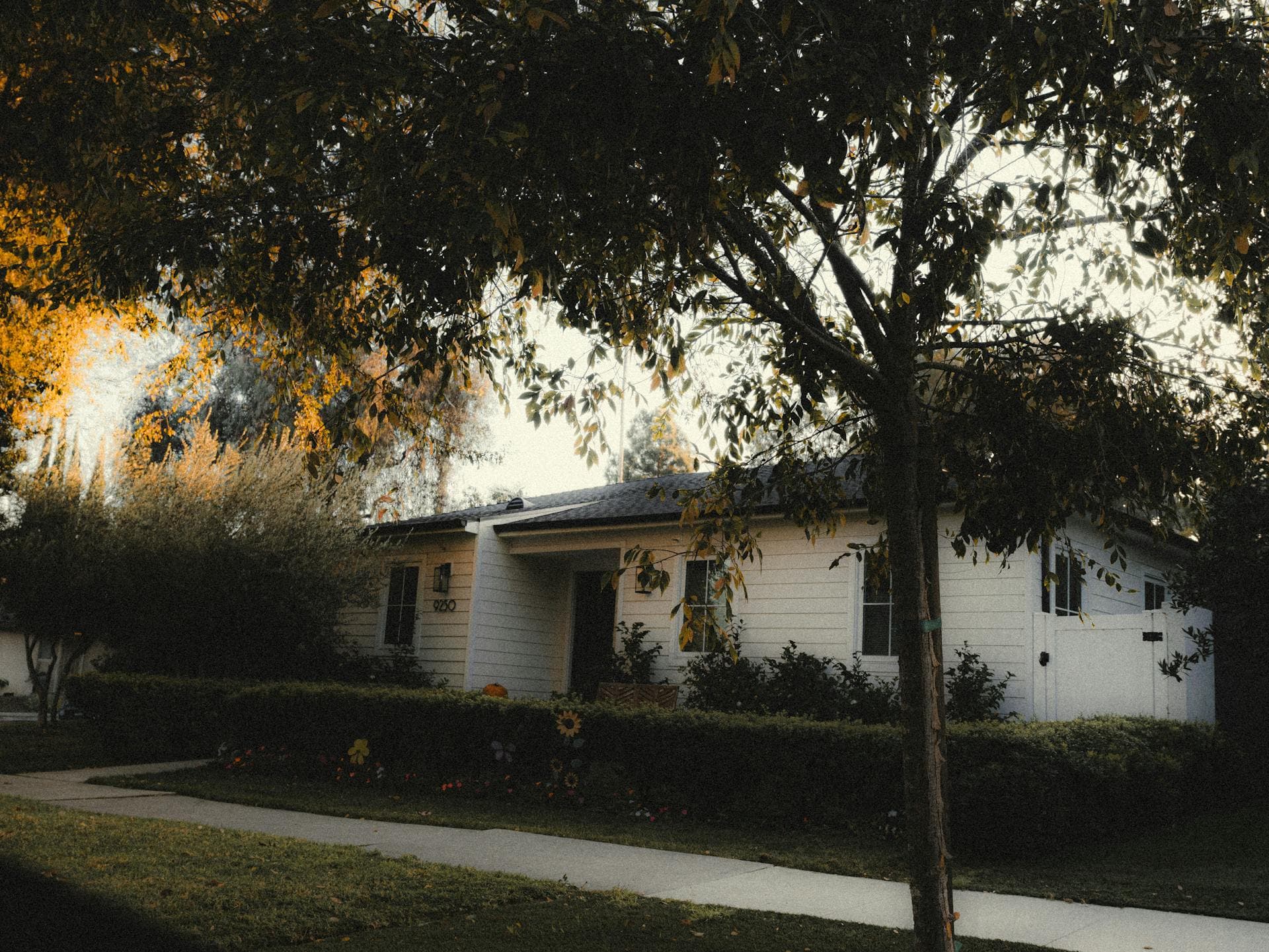
Photo by Soly Moses on Pexels
Extreme heat waves in inland areas (San Fernando Valley can reach 110F+)
Coastal fog and marine layer create diverse microclimates
Wildfire smoke requiring enhanced air filtration
Recommended Months
Avoid if Possible
- LADWP electricity rates above the national average; efficiency pays off fast
- Solar integration with heat pumps can dramatically reduce bills
- Title 24 requires minimum 14.3 SEER2 for new split-system installations (federal Southwest region standard)
- Heat pumps eliminate need for separate heating and cooling equipment
- Programmable thermostats can reduce cooling bills by 10%+
The city's Mediterranean climate brings long, dry summers lasting from May through October, placing significant demands on cooling equipment. During peak months of July through September, air conditioning systems in inland areas may run continuously for days during heat waves, stressing compressors and driving up electricity bills. The 2025 summer is projected to continue the trend of increasingly frequent extreme heat events, making reliable cooling not just a comfort concern but a health necessity.
Winter heating needs in Los Angeles are minimal compared to most of the country, with average temperatures rarely dropping below 50 degrees. This mild winter climate makes Los Angeles ideal for heat pump systems, which can efficiently handle both heating and cooling without the need for separate furnaces. Many older homes still have oversized gas furnaces installed decades ago, representing an opportunity for homeowners to downsize heating equipment and upgrade to more efficient heat pump technology.
Wildfire smoke has emerged as a critical HVAC consideration in recent years. During fire season, air quality can deteriorate rapidly, making enhanced filtration systems essential. Many Los Angeles homeowners are now upgrading to MERV 13 or HEPA filters to protect indoor air quality during smoke events, adding another layer of complexity to HVAC system selection.
How Los Angeles's Climate Affects Materials
Heat Pumps
Excellent for LA's mild climate; can handle both heating and cooling efficiently
Central A C
Works well but paired furnace often oversized for mild heating needs
Mini- Splits
Ideal for zoned cooling across LA's diverse microclimates
High- S E E R Systems
Pay off quickly given long cooling seasons and high electricity costs
HVAC Emergencies in Los Angeles: What to Know
Common HVAC breakdowns in Los Angeles and what causes them by neighborhood
Mix of Spanish-style homes, mid-century modern, bungalows, and condos. Many pre-1980s homes lack ductwork. Hillside properties often have access challenges.
Strong push toward electrification and heat pumps. LADWP offers aggressive rebates. Solar integration increasingly common. Title 24 compliance required.
Wildfire smoke preparedness is critical. Enhanced filtration (HEPA or MERV 13+) recommended. Power outage backup options important during extreme heat events.
- Homes without existing ductwork requiring mini-split solutions
- Undersized electrical panels needing upgrades for heat pumps
- Deteriorating or asbestos-containing ductwork in older homes
- Diverse microclimates requiring zoned solutions
- High solar heat gain through windows
Neighborhood Risk Factors
Verified HVAC technicians
Licensed emergency technicians in Los Angeles, California. On call 24/7 for AC and heating breakdowns.
Brody Pennell Heating & Air Conditioning
Established 1945. LA Times reader-voted top HVAC Company 2021. Offers Comfort Club maintenance plans.
Air Tech 24 Heating and Air Conditioning
4.8 · 357 reviews
A/C Geeks Heating & Cooling
4.7 · 84 reviews
Alpha Air Conditioning & Heating Inc
4.7 · 77 reviews
Top Energy Solutions
4.7 · 63 reviews
Lions Heating & Air Conditioning
4.7 · 31 reviews
+ 2 more HVAC technicians
More HVAC technicians in Los Angeles
Calstar Heating & Air Conditioning Repair Services
Glendale-based. Serves greater Los Angeles area.
Affordable Heating and Air
20+ years in LA. Specializes in helping customers navigate LADWP rebates.
Need a Repair Now?
Call a licensed HVAC emergency technician in Los Angeles. 24/7 emergency service.
(855) 321-3346 — Emergency ServiceYour Home Temperature Risk
When your HVAC fails in Los Angeles, indoor temperatures can reach dangerous levels
In Los Angeles's heat, a broken AC can push indoor temperatures past 100°F within hours. Heat stroke risk increases significantly — especially for children and elderly residents.
(855) 321-3346 — Get Emergency HelpHVAC Repair Rules in Los Angeles
License and permit rules for emergency HVAC repair in your area.
Permit Required
Yes
Permit Type
Residential
Processing Time
1-2 weeks for express permits; longer for complex projects
Issuing Authority
Los Angeles Department of Building and Safety (LADBS)
- 1Mechanical HVAC permits required for any installation or modification of heating/cooling systems
- 2Plan check required for systems 500,000+ BTU/H capacity
- 3Express permits available for same-size replacements without plan changes
- 4LADBS inspections required for most installations
- 5Skipping permits risks fines and reduces resale value
- 6Title 24 energy compliance documentation required
Official Resources
Pro Tip: Most reputable contractors handle the permit process for you as part of the project. Verify this is included in your contract before signing.
Filing Insurance Claims in Los Angeles
How to file an insurance claim for HVAC damage or failure, step by step.
- Document any damage with photos and videos
- Keep all receipts for emergency repairs
- Get written estimates from licensed contractors
- Review your policy for equipment breakdown coverage
- Understand deductibles before filing claims
Document Everything
Photos before & after
Call Within 48 Hours
Report damage promptly
Keep All Records
Save communications
Important: Many home insurance policies cover HVAC failure from storms, power surges, or lightning strikes.
Service-specific repair in Los Angeles
Frequently Asked Questions
Common questions about emergency HVAC repair in Los Angeles, California
Still have questions? Call our 24/7 emergency line.
Call (855) 321-3346More Cities in California
Emergency HVAC repair in nearby CA cities
Still reading?
Every minute the system stays off makes things worse. Tap to be matched with a local tech on call.
(855) 321-3346