AC & Heating Repair in San Jose, California
AC or heater broken? Call now. Licensed techs available 24/7.
(855) 321-3346Is this your situation?
- AC running but blowing warm air
- Furnace won't turn on
- Strange smells or noises from the unit
- System keeps shutting off
Is Your HVAC Dying in San Jose?
Spot these warning signs before your system shuts down completely.
- Uneven temperatures between rooms or floors
- Excessive dust or poor air quality despite filter changes
- Humidity problems (too dry in winter, too humid in summer)
- Strange odors when heating or cooling runs
- Thermostat constantly adjusting to maintain comfort
- Unusual noises (rattling, banging, squealing, grinding)
- Visible rust or corrosion on outdoor unit
- Ice forming on refrigerant lines or outdoor unit
- Water pooling under indoor unit
- Outdoor unit running constantly without cycling off
Replace vs. Repair: The 25% Rule
Consider replacement if repair costs exceed 50% of new system value, especially if the system is over 12-15 years old. Multiple repairs within 2 years, rising energy bills, or a cracked heat exchanger (safety concern) also warrant replacement.
Why HVAC Systems Break Down in San Jose
San Jose's weather is hard on HVAC systems. Know the local risks so you can spot problems early.

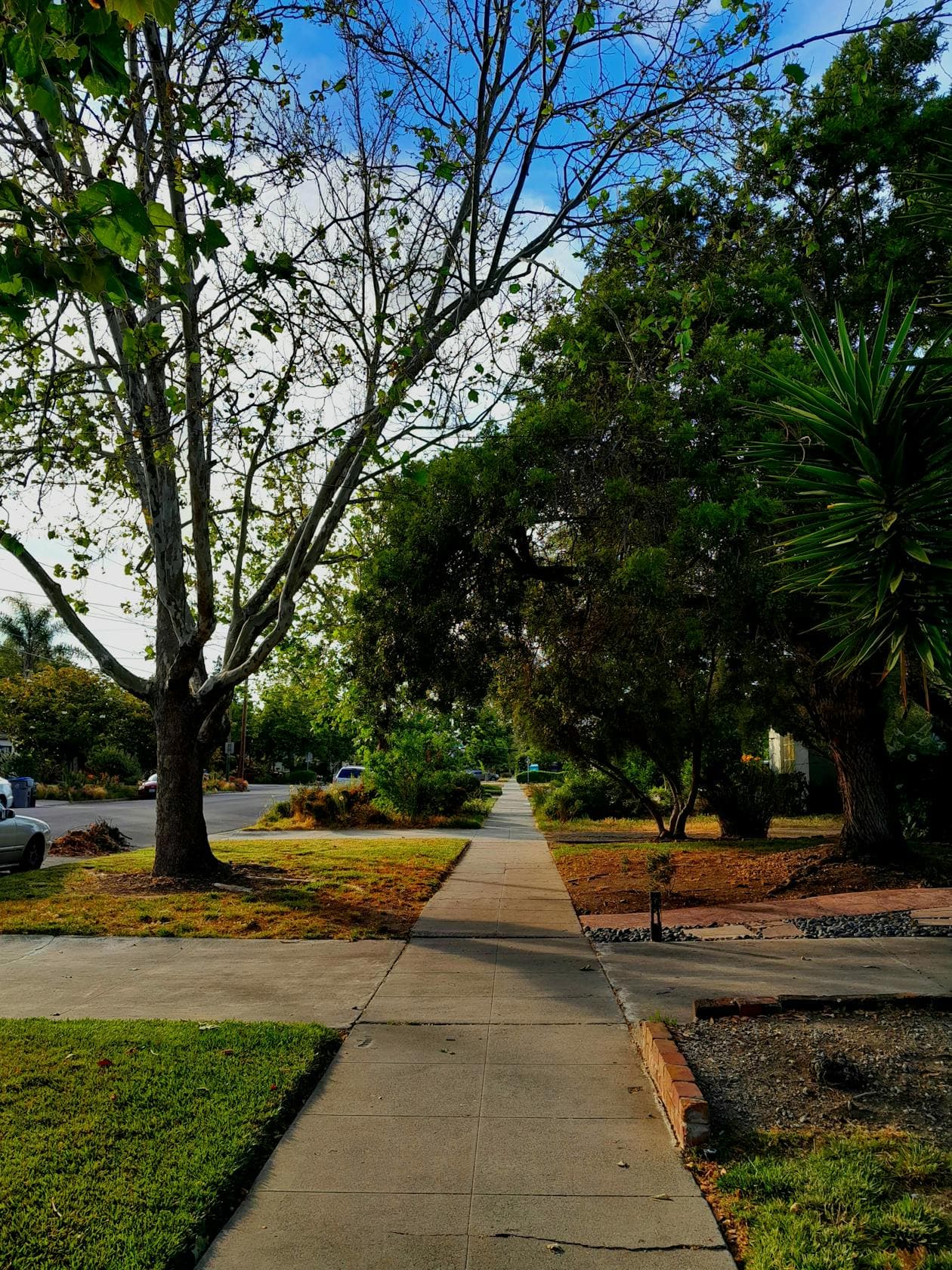
Photo by Cole Keister on Pexels
Mediterranean climate with warm, dry summers and mild, wet winters
Summer temperatures regularly exceed 90-100 degrees F in inland areas
Winter lows rarely drop below 40 degrees F (average 42 degrees F)
Recommended Months
Avoid if Possible
- Heat pumps use 50-70% less electricity than conventional systems in San Jose's climate
- SEER2 ratings of 16+ required; 18+ recommended for maximum savings
- PG&E rates make energy efficiency especially important
- Solar panel integration popular in Silicon Valley for net-zero homes
- Smart thermostats can pre-cool using off-peak electricity rates
This climate profile makes San Jose an ideal location for heat pump technology. Unlike traditional HVAC systems that generate heat through combustion, heat pumps transfer thermal energy from the outside air, operating at peak efficiency in precisely the mild conditions San Jose experiences. Homeowners can expect their heat pumps to handle heating duties efficiently for all but perhaps 30 days per year when temperatures dip below 40 degrees.
The coastal influence from the San Francisco Bay moderates humidity levels throughout most of the year, reducing the moisture-related strain on HVAC equipment. However, occasional heat waves during summer and the increasing prevalence of wildfire smoke events create additional demands. Many San Jose homeowners now prioritize HVAC systems with enhanced air filtration capabilities to protect indoor air quality during fire season. The region's approximately 2,500 heating degree days annually indicate moderate heating demand, roughly half of what homes in the Midwest or Northeast experience, translating to lower operating costs and longer equipment lifespans for heating components.
How San Jose's Climate Affects Materials
Heat Pumps
Ideal for San Jose's mild climate. Operate efficiently year-round with average lows of 42 degrees F. Most cost-effective long-term solution.
Gas Furnaces
Still viable but less efficient than heat pumps in mild weather. Declining popularity due to California electrification push.
Ductless Mini- Splits
Excellent for older San Jose homes without ductwork. Popular in pre-1960s neighborhoods.
Dual Fuel Systems
well-suited for foothill neighborhoods (Almaden Valley, Evergreen) with cooler winter nights.
HVAC Emergencies in San Jose: What to Know
Common HVAC breakdowns in San Jose and what causes them by neighborhood
Mix of ranch-style homes from the 1950s-1970s in South San Jose and Willow Glen, Victorian and Craftsman homes in older downtown neighborhoods, and newer construction in Evergreen and Almaden. Many pre-1960 homes lack ductwork, making ductless mini-splits popular.
Silicon Valley homeowners prioritize energy efficiency, smart home integration, and sustainability. PG&E's high rates make efficient HVAC systems a financial priority. Many pair HVAC upgrades with solar panel installations.
- Older homes without ductwork require ductless solutions or expensive duct installation
- Pre-1970s electrical panels may need upgrades for heat pump installations
- Attic-mounted systems in ranch homes face extreme temperatures
- Wildfire smoke events create demand for enhanced air filtration
- High home values justify premium HVAC investments
Neighborhood Risk Factors
Verified HVAC technicians
Licensed emergency technicians in San Jose, California. On call 24/7 for AC and heating breakdowns.
Air Care Heating & Cooling, Inc.
Family-owned since 2014. Carries Bryant and Mitsubishi brands. Serves San Jose, Sunnyvale, Santa Clara, Mountain View, Palo Alto, Cupertino, Los Altos, and Gilroy.
San Jose Heating & Cooling
4.9 · 17 reviews
Air Quality Heating & Air Conditioning
4.8 · 658 reviews
Comfort Energy, Inc.
4.8
Valley Heating, Cooling, Electrical and Solar
4.7 · 455 reviews
Bayhill Heat & Air, Inc.
4.7 · 286 reviews
+ 2 more HVAC technicians
More HVAC technicians in San Jose
Service Champions
Premier home services provider in Northern California covering East Bay, South Bay, and Sacramento areas.
Fuse HVAC
Carries Bryant equipment. Open 8AM-8PM daily.
Need a Repair Now?
Call a licensed HVAC emergency technician in San Jose. 24/7 emergency service.
(855) 321-3346 — Emergency ServiceYour Home Temperature Risk
When your HVAC fails in San Jose, indoor temperatures can reach dangerous levels
In San Jose's heat, a broken AC can push indoor temperatures past 100°F within hours. Heat stroke risk increases significantly — especially for children and elderly residents.
(855) 321-3346 — Get Emergency HelpHVAC Repair Rules in San Jose
License and permit rules for emergency HVAC repair in your area.
Permit Required
Yes
Permit Type
Residential
Processing Time
1-2 weeks for permit approval, same-day to next-day for inspections
Issuing Authority
City of San Jose Planning, Building & Code Enforcement
- 1All HVAC installations in San Jose require a building permit
- 2Online permit submittals available for single-family residences at sjpermits.org
- 3Multi-family and commercial projects use the Development Services Application Wizard
- 4Title 24 energy efficiency compliance documentation required
- 5HERS (Home Energy Rating System) testing may be required to verify compliance
- 6Contractors must have valid California C-20 HVAC license
- 7Inspections verify code compliance for safety and energy efficiency
Official Resources
Pro Tip: Most reputable contractors handle the permit process for you as part of the project. Verify this is included in your contract before signing.
Filing Insurance Claims in San Jose
How to file an insurance claim for HVAC damage or failure, step by step.
- Document all HVAC damage with photos and videos before any repairs
- Keep all receipts for emergency repairs or temporary solutions
- Get written estimates from licensed contractors
- Review your policy for HVAC coverage limits and deductibles
- Consider equipment breakdown coverage for future protection
Document Everything
Photos before & after
Call Within 48 Hours
Report damage promptly
Keep All Records
Save communications
Important: Many home insurance policies cover HVAC failure from storms, power surges, or lightning strikes.
Frequently Asked Questions
Common questions about emergency HVAC repair in San Jose, California
Still have questions? Call our 24/7 emergency line.
Call (855) 321-3346More Cities in California
Emergency HVAC repair in nearby CA cities
Still reading?
Every minute the system stays off makes things worse. Tap to be matched with a local tech on call.
(855) 321-3346